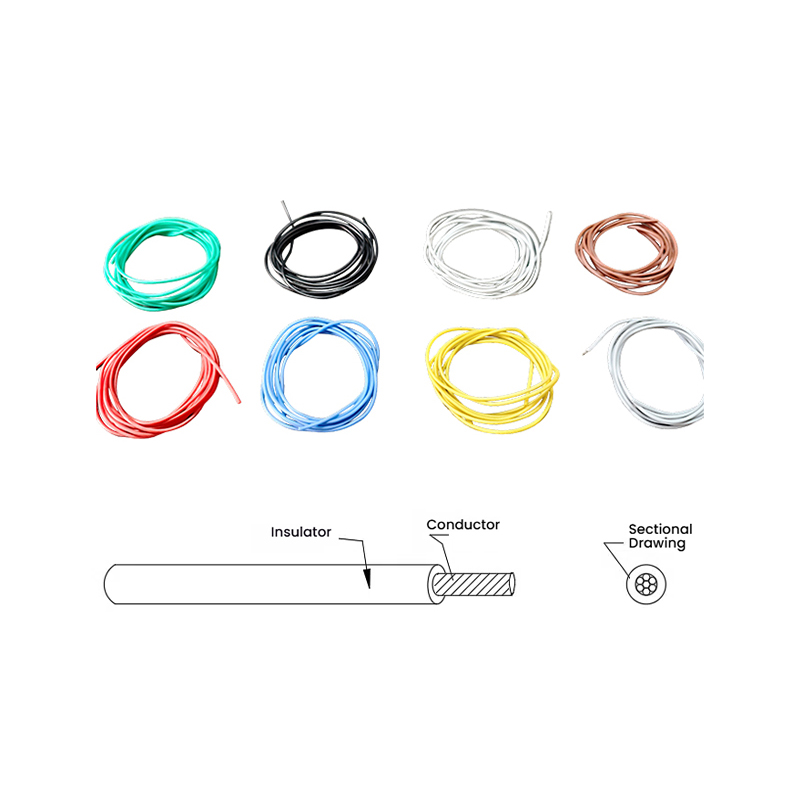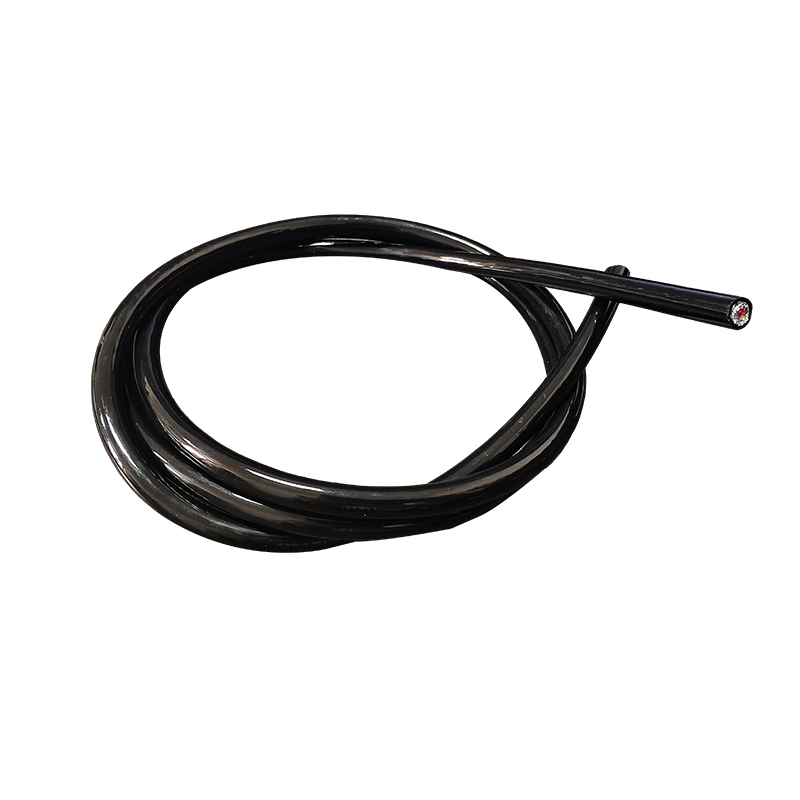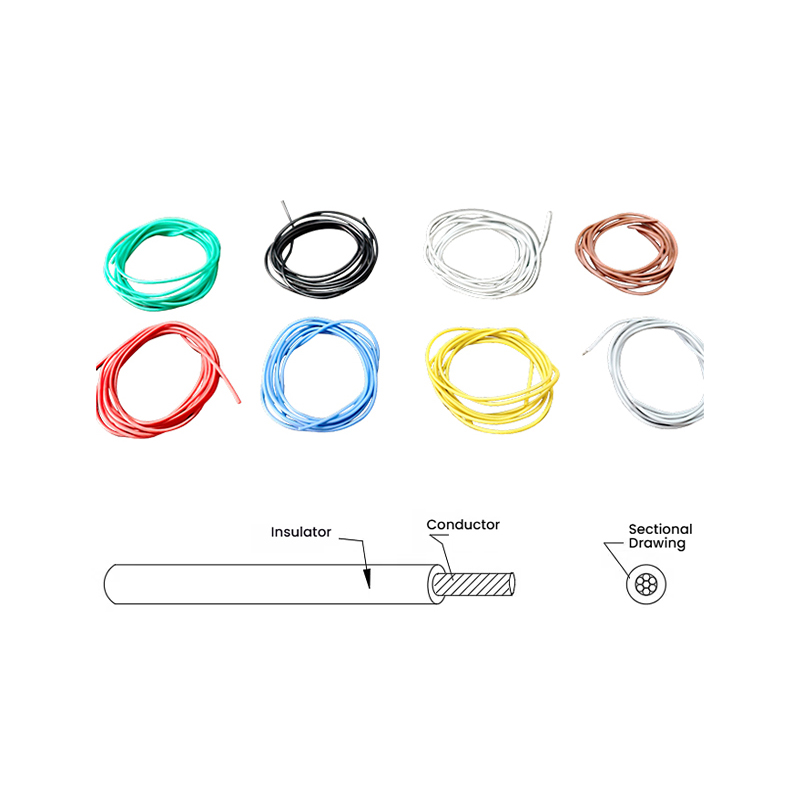

The manufacturing environment for silicone rubber cables must be kept clean and dry to prevent dust, moisture, and other impurities from contaminating the rubber and the product.
During the production process, a rigorous sealing test must be performed on the connection between the liquid level sensor cable and the sensor.
Silicone rubber cable, with its unique molecular structure and material properties, stands out as an indispensable "flexible guardian" in extreme temperature environments.
During transmission, signals radiate electromagnetic waves into space. The longer the distance, the greater the energy loss due to radiation.
By adjusting the substituent groups on silicon atoms, the temperature range adaptability and tensile strength of silicone rubber can be optimized.
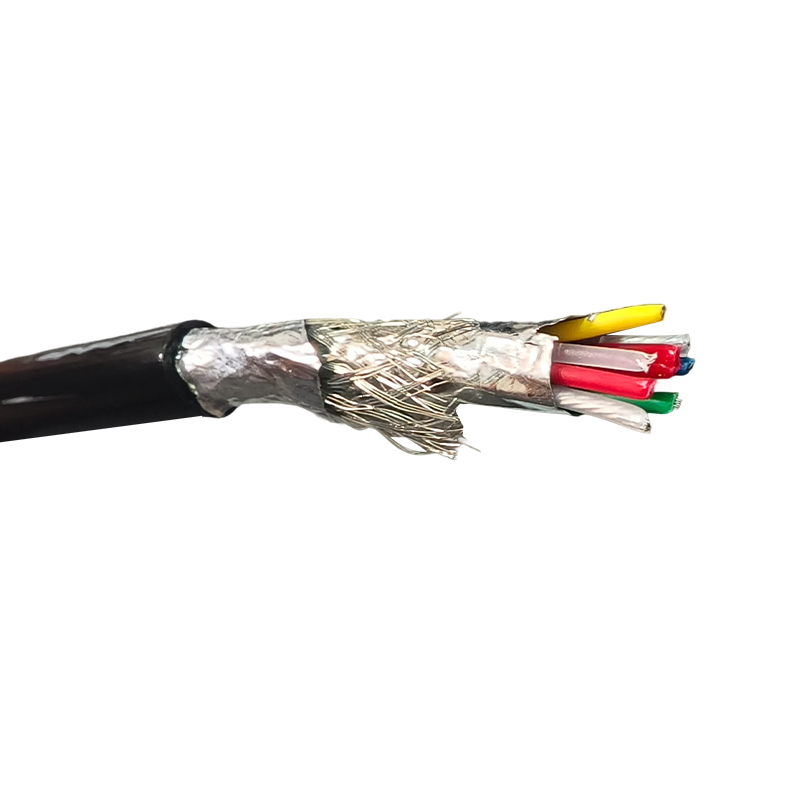
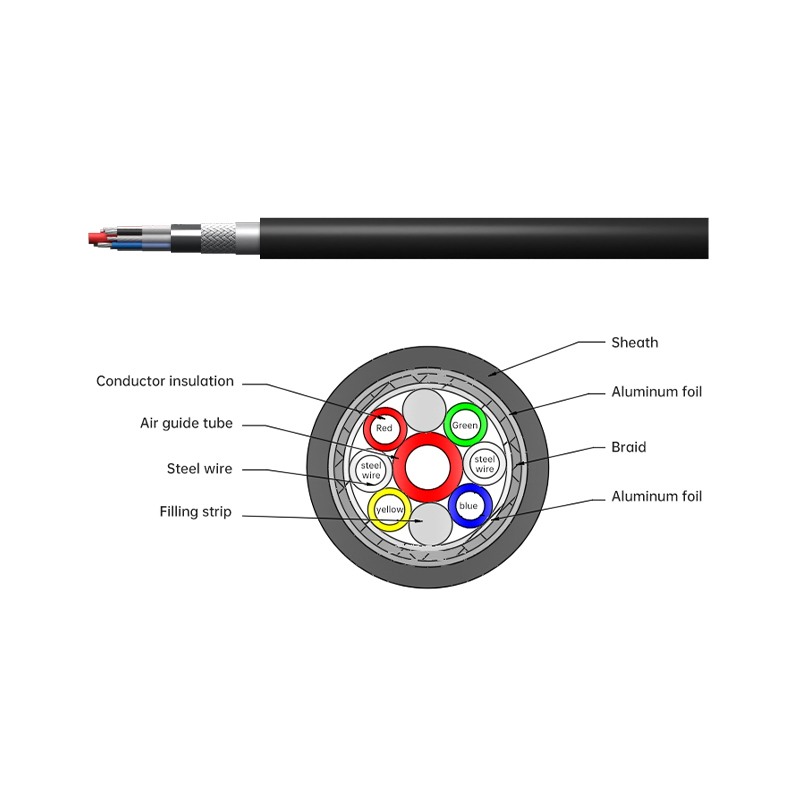
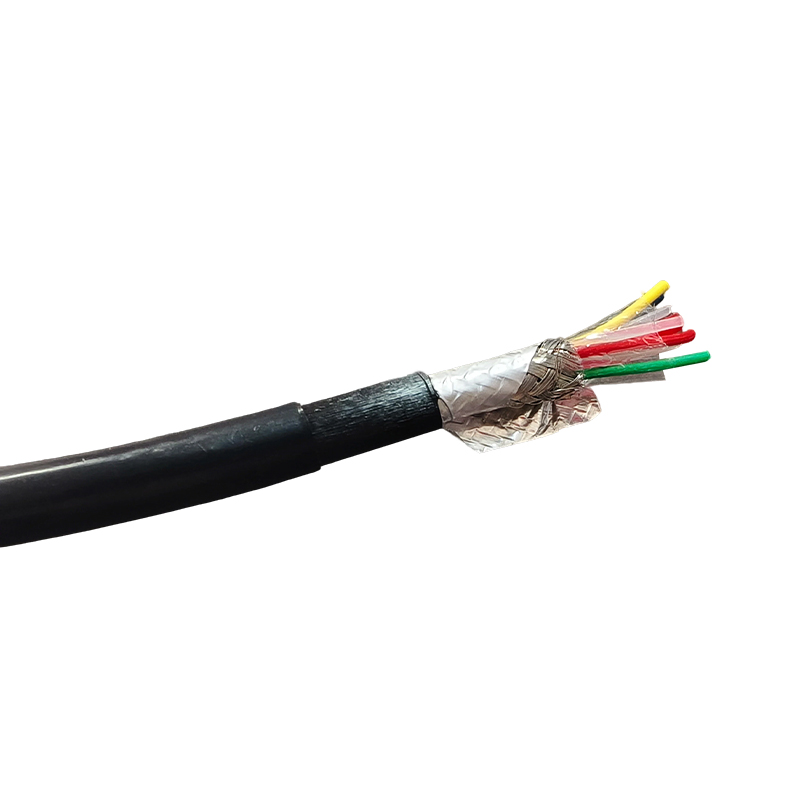
The density and angle of the shielding layer also affect the shielding effect and need to be adjusted according to the sensor type and transmission distance.